prado, santarém. junho 2009
Author: ana
about me
porto pride ’09
balloons, masks, music, banners and smiles for single cause: equality.


most pictures by paulo.
casa de ló
hidden away in a small street next to rua de cedofeita, in porto, you’ll find the casa de ló. the name comes from a portuguese desert, pão de ló, which used to be sold here back in the days of the old casa margaridense. the space has since been renovated in line with its traditions, and now sells portuguese sweets and deserts, while housing a cozy tea house.
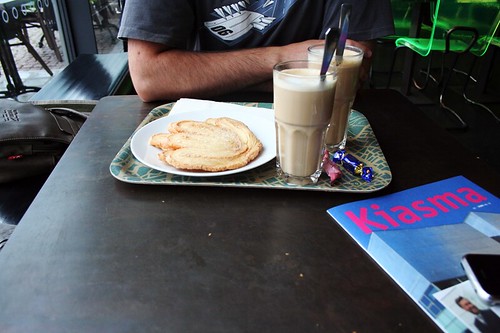
add to this alluring environment a couple of friendly people and some nice music, and it’s hard not to feel right at home. we shared some mint tea and tried the apple pie, and wow… i wasn’t prepared for the irresistible decadence of it. look, look:

can you see the softness of it? can you smell the cinnamon sprinkled on top? is your mouth watering already? just go! it’s on travessa de cedofeita, 21A (google maps). you can thank me later :)
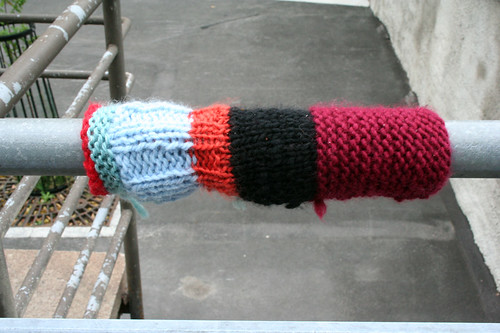
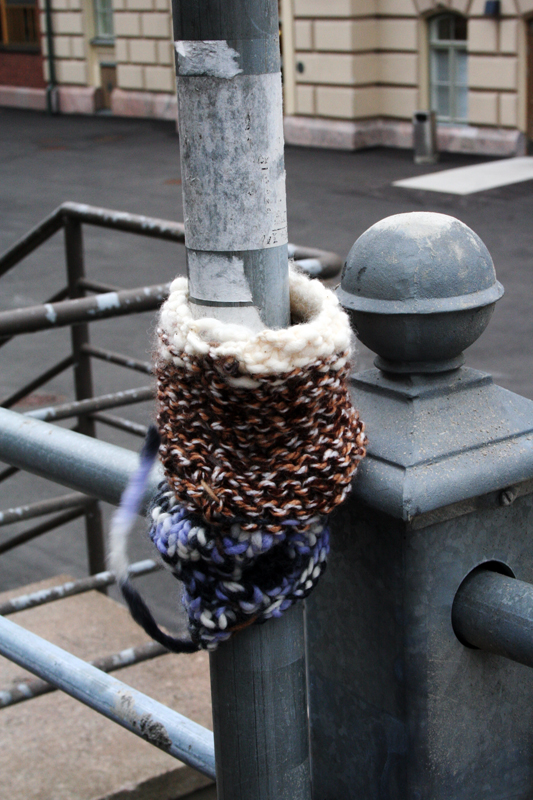
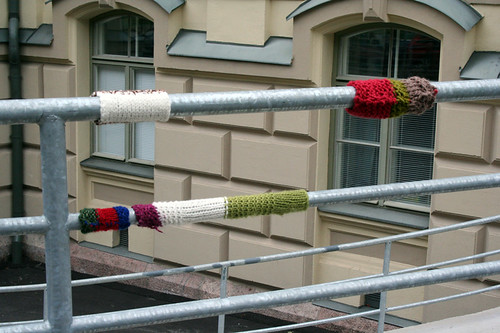
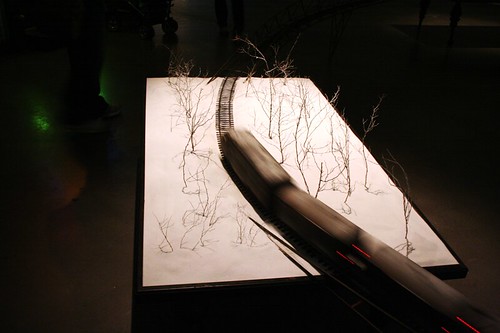
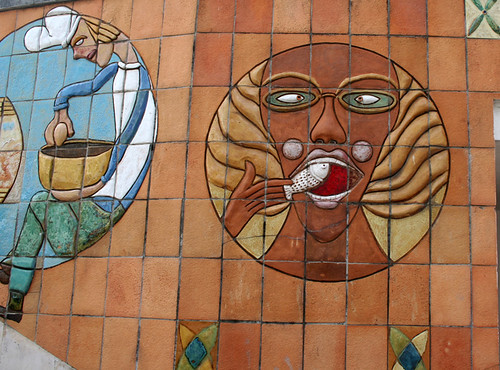
red things from prado (small village near santarém), last june. these diptychs are going to have a category of their own from now on – so there’s more from the series here.
“But the missing from this official story, as it was missing from official reports on the Tibetan riots, is any acknowledgment that Uighurs in general might have legitimate grievances. Grievances about the influx of ethnic Han, the relative lack of economic opportunity, demolition of their traditional cities, limitations on their right to freely practice their religion, or whatever.
That’s a serious omission because, while it is made with an eye on propagating an official story of the spread of development and prosperity, it comes with a long-term price: it inflames the very tensions it attempts to paper over. And it, with marvelous efficiency, it inflames them on both sides. Uighurs are given the impression that their concerns are considered unworthy of acknowledgment by the State, a situation that is a classic recipe for convincing people to take extreme measures. Other Chinese, meanwhile, are deprived of any context for the riots, which feeds into a colonial attitude toward Uighurs that I have experienced firsthand. If you believe that you have given a people nothing but development and progress and economic opportunity, and they rise up against you, then you will come to see them as at best treacherous and untrustworthy and at worst as less than human, with predictable consequences. Legitimate grievances or not, the riots are almost certainly doing terrible damage to the Uighur cause in China.”
“Collective violence is a funny thing. Grievances, hatreds, jealousies, and resentment can linger in the collective consciousness for a long time without being expressed through bloodshed, but the longer it simmers the more extreme the reaction when the barrier is breached and violence enters the repertoire of resistance.
I personally found the wanton violence on the part of the rioters in Urumqi to be abhorrent. But it’s also important to remember, as too many people in the United States failed to do in the aftermath to 9-11, that seeking to understand WHY somebody would commit acts of violence is NOT the same thing as condoning those acts.”
quotes from 2 sensible pieces on the most recent urumqi riots, by Imagethief and Jottings from the Granite Studio, very much worth reading for some context on the situation.
for twitter updates, follow @malcolmmoore and @melissakchan.