Categories
in germany

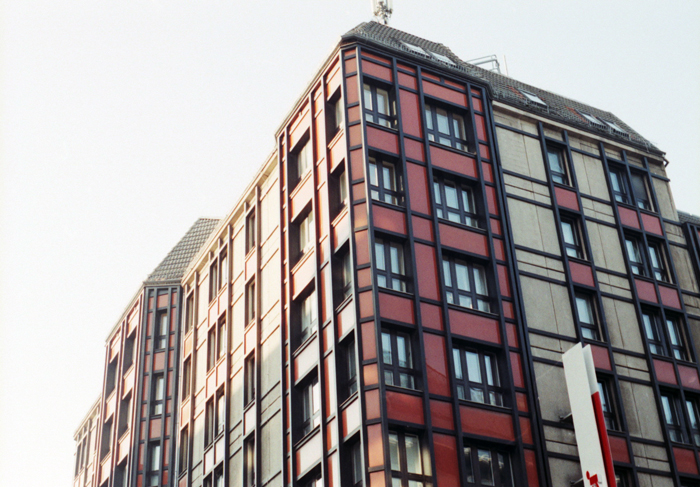
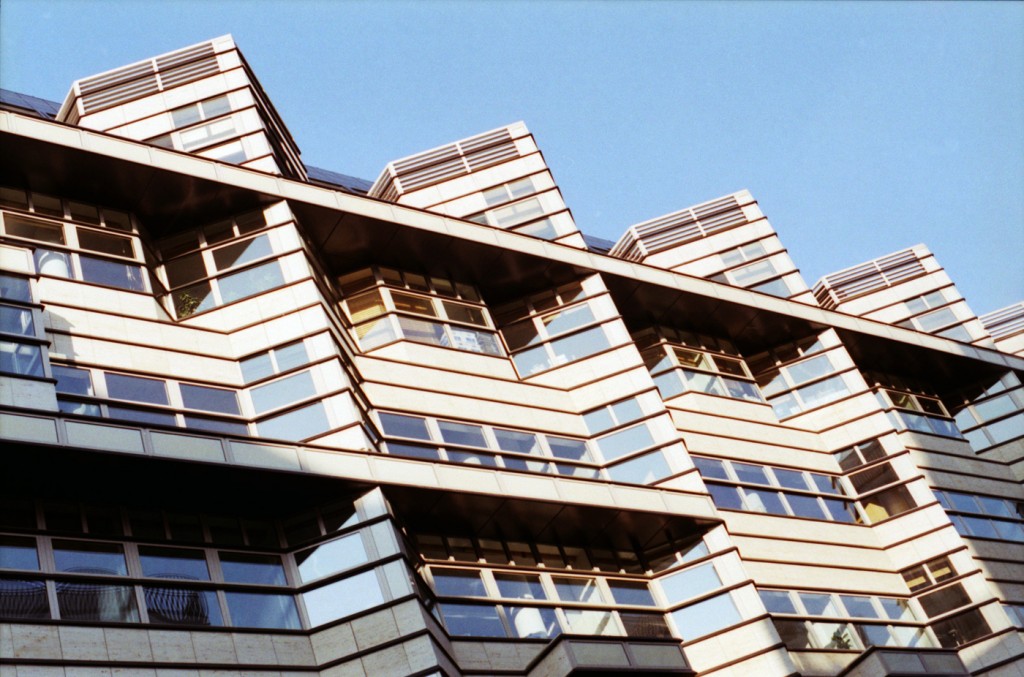
the modernist housing estates of berlin

the museum island is berlin’s most famous unesco site, its central location and abundance of interesting museums ensuring its place in all guidebooks. but did you know that berlin has another, less well-known unesco attraction?

spread over 6 locations around the city, the modernist housing estates are a group of buildings built between 1910 and 1933, (especially during the weimar republic) which represent the building reform movement in berlin. here’s how unesco describes them:

The housing estates reflect, with the highest degree of quality, the combination of urbanism, architecture, garden design and aesthetic research typical of early 20th century modernism, as well as the application of new hygienic and social standards.

the estates were built at the end of the first world war (when demand for housing in berlin was higher than ever), by cooperatives and non-profit organizations in the (once) outer, rural areas of the city. they were innovative in their design but especially for the open-housing concept of “garden towns and cities” – in contrast with the 19th century corridor-like streets. the main architects involved were bruno taut, martin wagner, and walter gropius (one of the founders of the bauhaus school).

the pictures on this post are from the estate closest to our house, the Hufeisensiedlung. Hufeisen means “horseshoe” – which is what it resembles when you look at it from above!

Categories
in germany pretty things

calligraphy class


doing a calligraphy class had been on my plans (and list) for ages. i’ve always been attracted to nice penmanship, so it seemed like the next logical step. last week, i found one class by accident through gidsy and enlisted right at the last minute.

the class was great, and we learnt how to draw most letters of lowercase english copperplate script. it’s a relatively simple script, but hard work nonetheless! by the end of it, my hand was hurting from all the tension i was putting on my nib, but i felt like we were all more confident and ready to start practising on our own. i certainly intend to! :)

Categories
foooood in germany

berry picking in berlin


berry farms are a thing in berlin (in germany?) – but i fear they’re the kind of thing that would never catch on in my home country. i can imagine the puzzled voices of my family members: you drive to a farm, pick your own fruit, and then have to pay in the end?! why would you go through all that trouble, when there are so many strawberries in the supermarket?


eheh, the portuguese are nothing if not practical. despite the imaginary raised eyebrows from my family members, we’ve gone berry picking twice now, in a nearby farm, and it was lovely. the first time strawberries were in season, and we brought home a few kilos which we ate and turned into rhubarb-strawberry jam (everyone at home raved about it!). the second time, a week ago, i was hoping to catch some raspberries, but they were all gone… so we brought blueberries instead.

we don’t eat fruit very often, so berries feel like a treat – and getting them from a farm makes them somehow even more special. plus, the advantage of picking the fruit at its ripest (and tasting it as you go along) is very nice. i don’t think i ever ate strawberries as delicious as the ones i picked there, in early june.

now that i am looking at this post, i realise that it berry picking doesn’t look that exciting – you probably wouldn’t do this if you were here on your holidays… but these little things are part of the reason why i like “living abroad” so much, versus “visiting a country”. it’s all in the details!

Categories
in germany

summer goals


just one: spend as much time as possible outside, soaking up on all the vitamin D while this gorgeous weather lasts! :D
(thank you cecilia for the cute cinemagr.am!)

Categories
in germany

berliner unterwelten

in the basement of our building there’s a door – a heavy metal door with a submarine-type locking wheel. curious as to where it would lead, one day we turned the wheel and opened the door… only to find that it was an entrance to the basement of the building next door.
my teacher once explained to the class that these were remnants from years of war and tension: the doors were there to give people an emergency exit, in case something happened and they needed to find another escape route. the buildings in berlin are often built side by side, in closed squares, with an inner courtyard – it makes sense that they’re somehow connected.

berlin is a complicated city, its history deeply fused with the wars and historical events that took place here. you can learn about it in the museums and memorials, but there are a lot of things, some big and some small, that you don’t often get to see. there’s a curious side of it that is especially hard to access: the underground world. we’ve all heard of the bunkers and tunnels that used to run below the city’s surface… but where are they? what were they used for? what did they look like?

interested in revealing the stories of these hidden worlds, a society was formed in 1997: the berliner unterwelten. they focus on discovering and recovering forgotten underground structures, and on recounting history from their perspective. so far, we’ve done a couple of their tours, and cannot recommend them enough.

one of these tours is to an intact underground bunker, which lays just next to a busy metro and railway station. as you sit in one of the airtight, low-ceiling concrete rooms listening to your guide and looking at the fluorescent stripes on the walls (that still glow in the dark), you get an unusual glimpse at the lives of frightened and exhausted berliners, sitting in this same benches 67 years ago, waiting for the air raids to stop.

i know it sounds gloomy – but that’s the history of berlin. these tours do an exceptional job at portraying it, making it less boring, and a lot more hands-on. i can’t wait to do the rest of them!