Categories
eggeusia foooood

çılbır

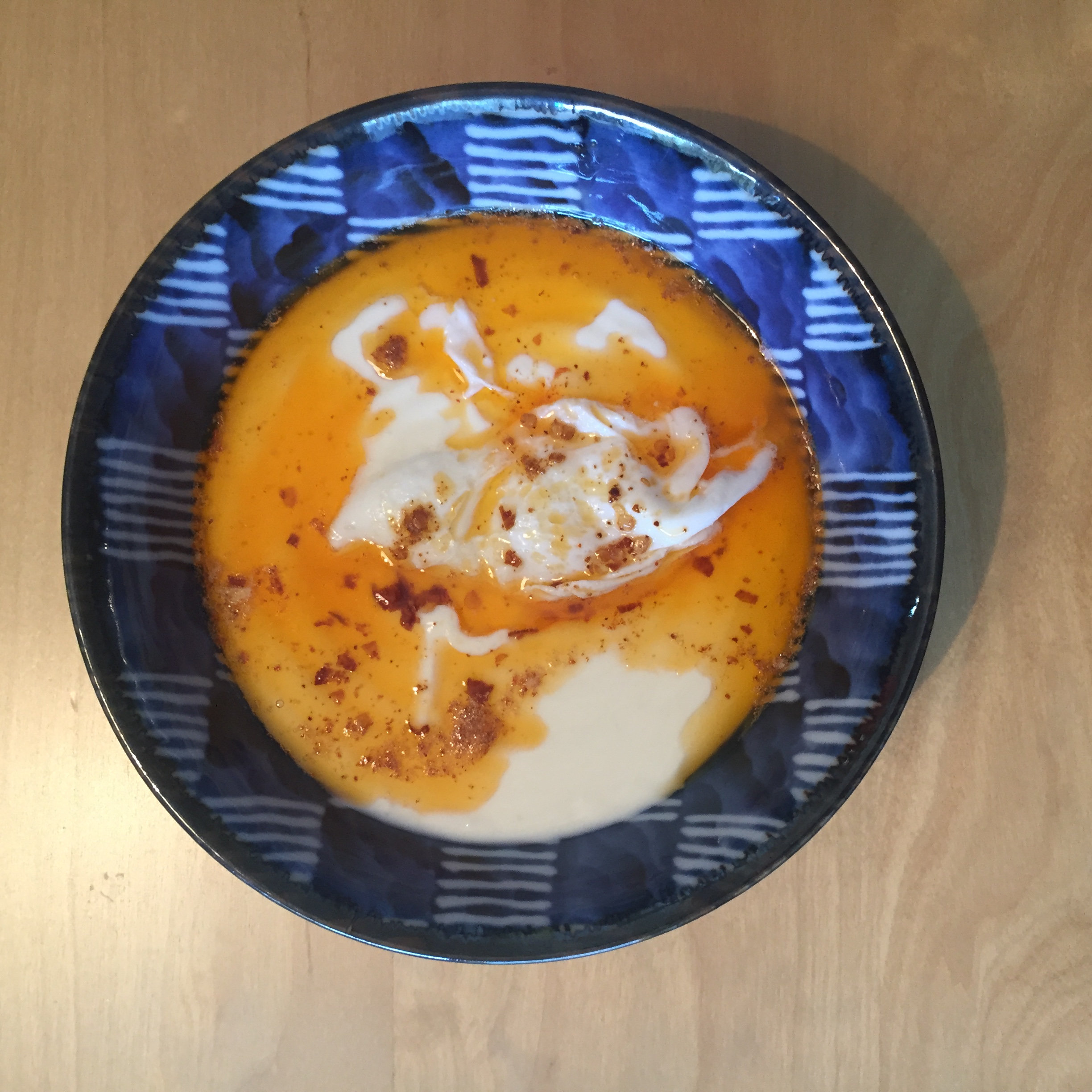
i usually stay away from milk-stuff, but çılbır is one of those things that makes the lactase pills worth it. we discovered it first in berlin some years ago, but as soon as we knew its name, we started seeing these turkish eggs everywhere. i finally gave it a try myself when i stumbled on a recipe on all about eggs, and it was a-ma-zing!

it takes 10 minutes to assemble: mix crushed garlic with yoghurt, poach eggs, foam some butter with chili flakes. then put everything in a bowl and voilà! serve with bread if you like, or just eat it spoon by spoon, every single one of them a delicious mix of yoghurt and butter. :)

we like this garlicky yoghurt with spiced butter concoction so much that it has quickly become a staple around here. nigella has a video recipe on youtube — give it a try!

Categories
links and ideas

name seals

the boy subscribes to a newsletter that is mostly about coding, but sometimes also includes random interesting links. last week, it linked to this video about name seals in japan, which i found fascinating:

i had no idea that they’re still so commonly used in japan these days, as that definitely did not seem to be the case in china. watching the video made me want to go and play with my own name seal, carved 10 years ago in shanghai, by a street vendor. it’s not super legible… but it is unique and mine!

Categories
analogue wednesdays roll4roll

analogue wednesday #196

another neon frame from R4R-50 (shot with thibaud thomas). i remember going through chinatown in toronto looking at all these funky lights!

Categories
links and ideas

the seed potatoes of leningrad

while i was thinking about the previous post, i listened to this episode of anthropocene reviewed (a quirky podcast by john green that reviews stuff on a 5 star scale) and it stuck because it was just so much on topic.

each episode always has 2 parts, and the one about the potatoes starts at about 11:32… although, if you like tetris, you might want to start at the beginning and just hear both parts.

“Humans are often criticized for being short-term thinkers, unable to see past their own lives. And yes, in desperate situations we can become desperate animals. But it is also human to die for want of potatoes you are saving for people you do not know. Every seed contains a possibility of life yet to come, and when given the choice between themselves today or everyone tomorrow, the seedbank workers of Leningrad chose us. Let us remember their example. I give the seed potatoes of Leningrad four and a half stars.”

Categories
algarving in portugal

the fruit tree collection

so tavira has an “experimental agrarian center” (CEAT), which is a very low-key place with an important mission: it helps local farmers get started and learn more about all kinds of things related with agriculture. like many places in algarve, tavira is a town that lives mostly off tourism, but the more you move away from the coast and into hills, the more you see a kind of dryland subsistence farming that is hard but so important to people’s lives in these villages.
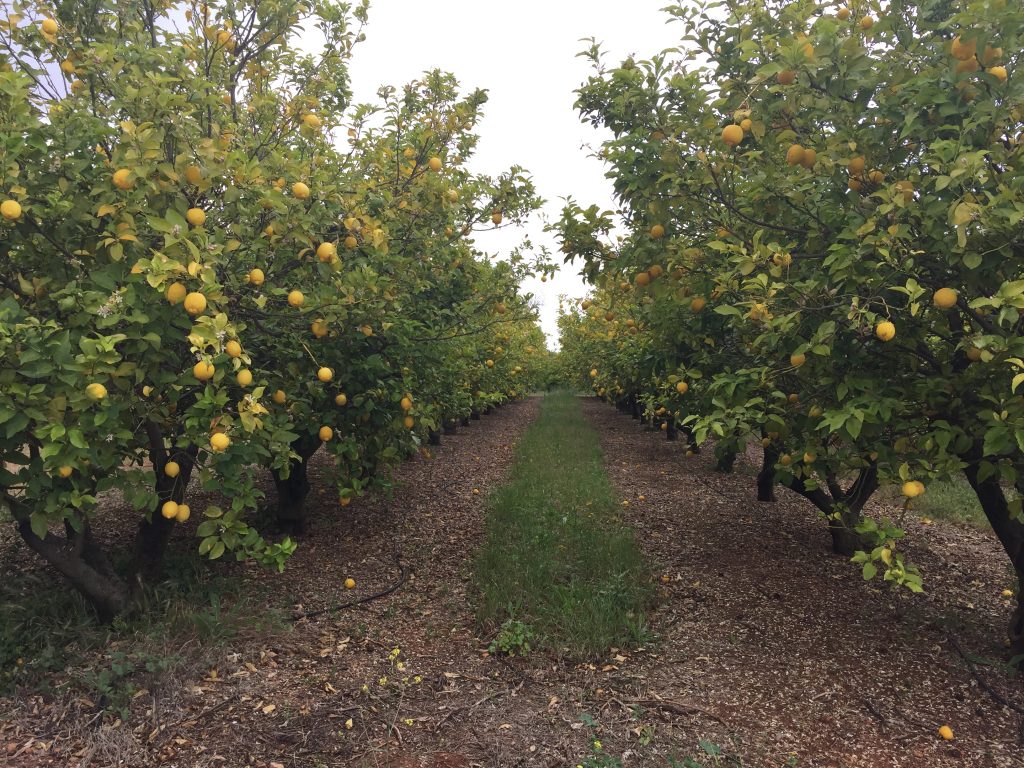
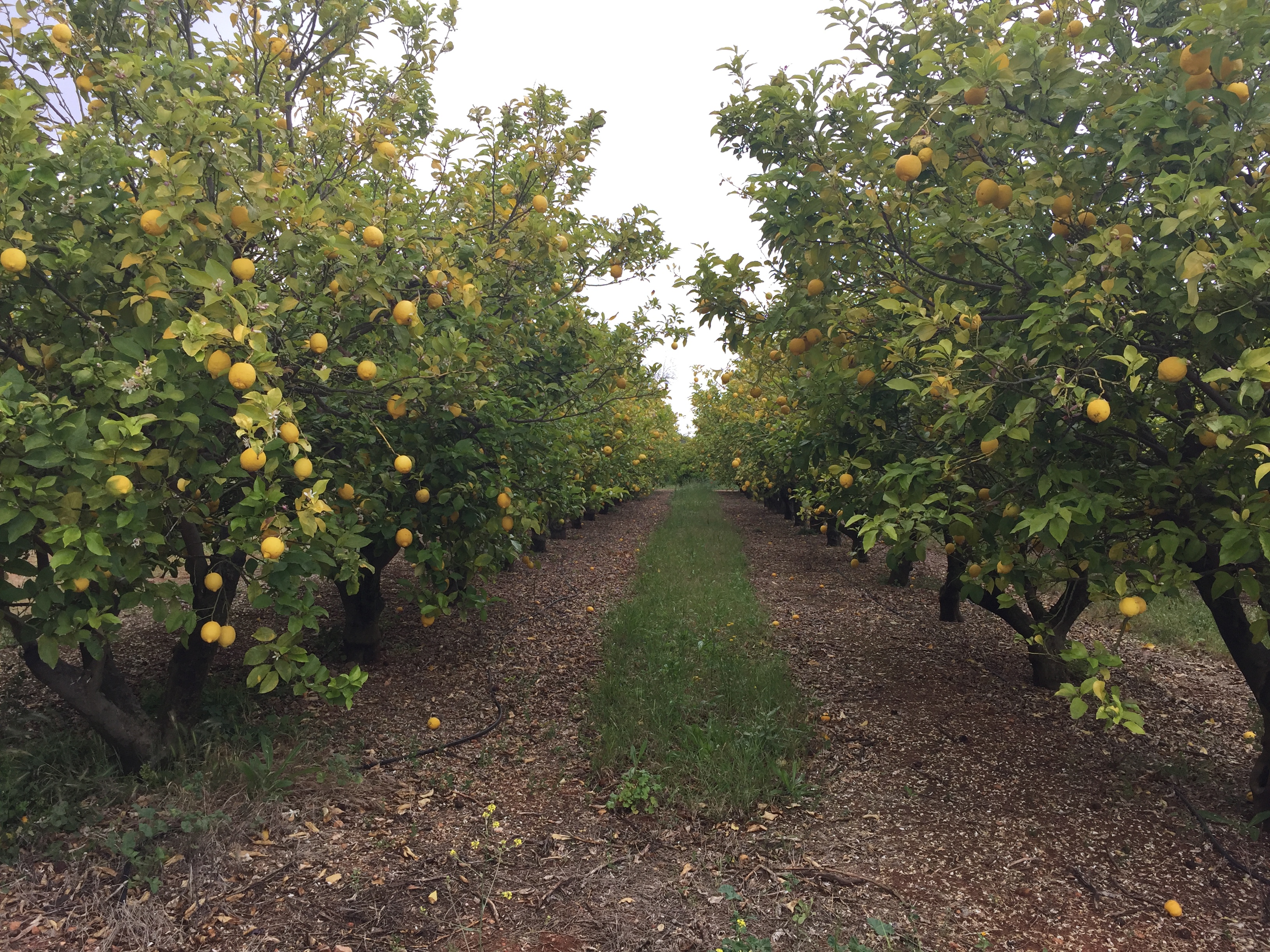
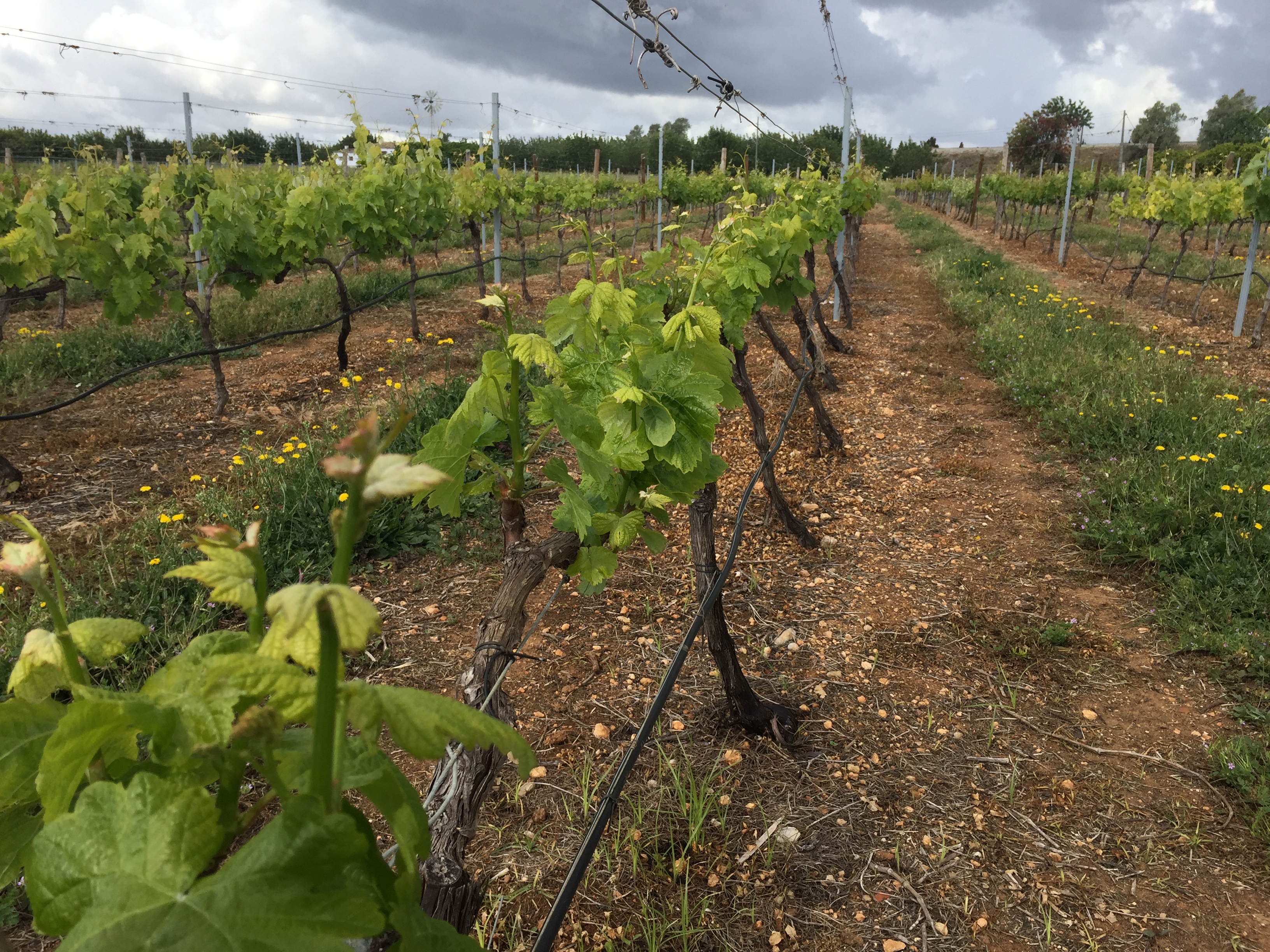
so as part of its mission, the center started a gigantic project to research and collect specimens from the local varieties of fruit trees, which they maintain in a specific area — a seed bank of sorts, but with actual living trees. in the last decade, they have collected hundreds of cultivars of citrus trees (the main crop around here), as well as carob, almond or figs, but also things that you might not expect like specific southern portuguese grapevines, loquats, pomegranate or “pêro de monchique”. researching these species in the region involved talking to a lot of farmers and then doing genetic analysis to identify the differences between certain plants, to make sure they are actually unique cultivars (and not just the same tree with a different name).
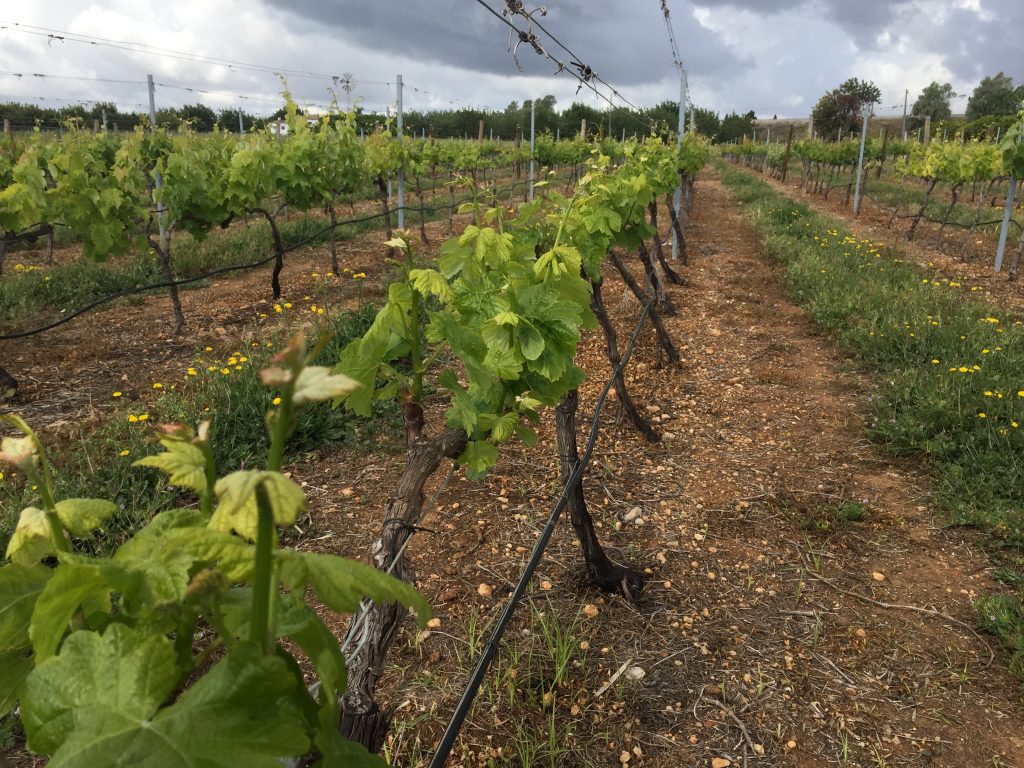
so after specimens are collected, they’re brought to tavira where they are further studied and serve as a reference for the future, in case something happens or someone is interested in the local species of these trees. want to know which plants are best for your land, or how much production you can expect from a certain cultivar? they can tell you! want to produce a special wine that is labeled as being from algarve’s region? you’ll need to make sure you’re using the right grapes… guess who you can ask about that?
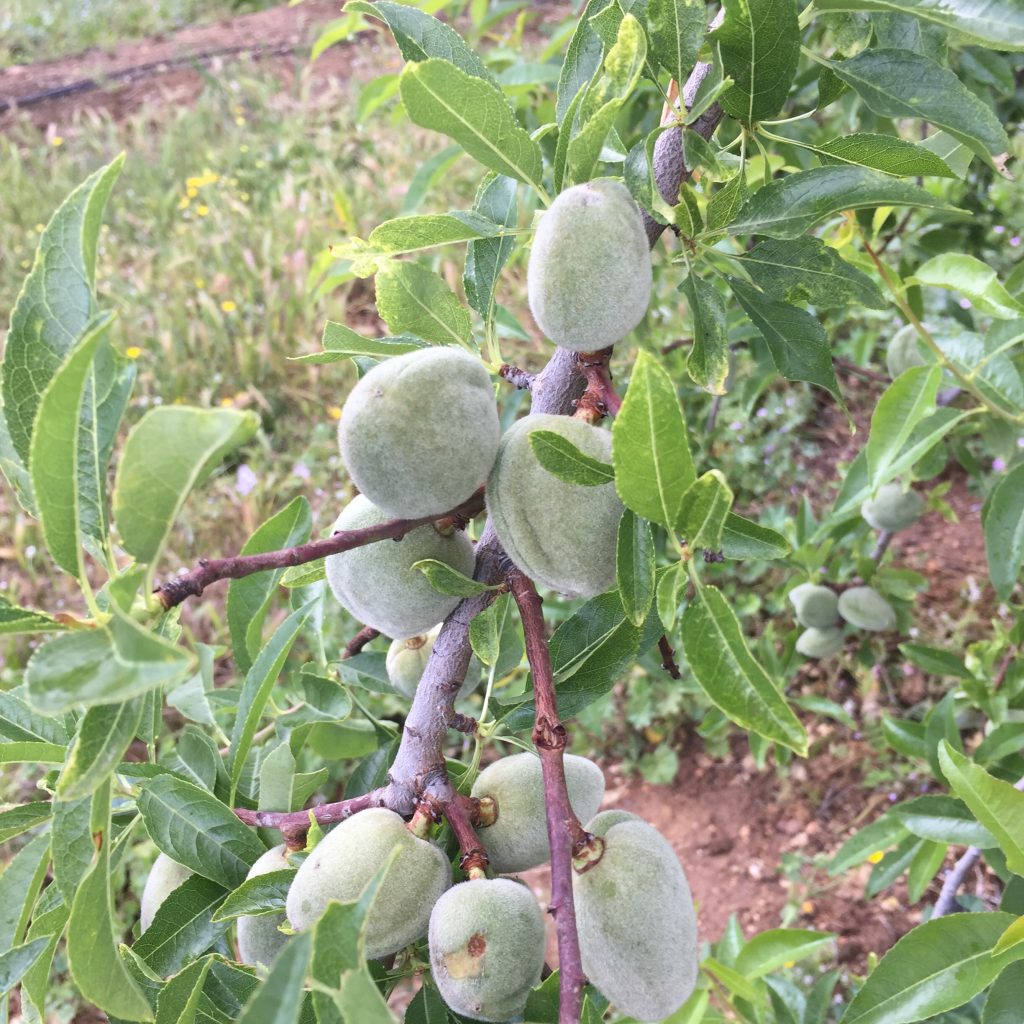
walking the grounds and looking at all these trees in their neat rows, you get the sense that this is not only an invaluable genetic repository for the future, but also a huge work of love, spread out over many square meters. unlike a static museum collection, this one is alive and needs constant care and attention if it is to fulfill its purpose, and i’m really glad for the humans doing this work.