
july was a slower month, a month spent catching up with friends, feeding deers, buying a house… a month to remind us to take a break and enjoy it. :)
Categories
analogue wednesday #268

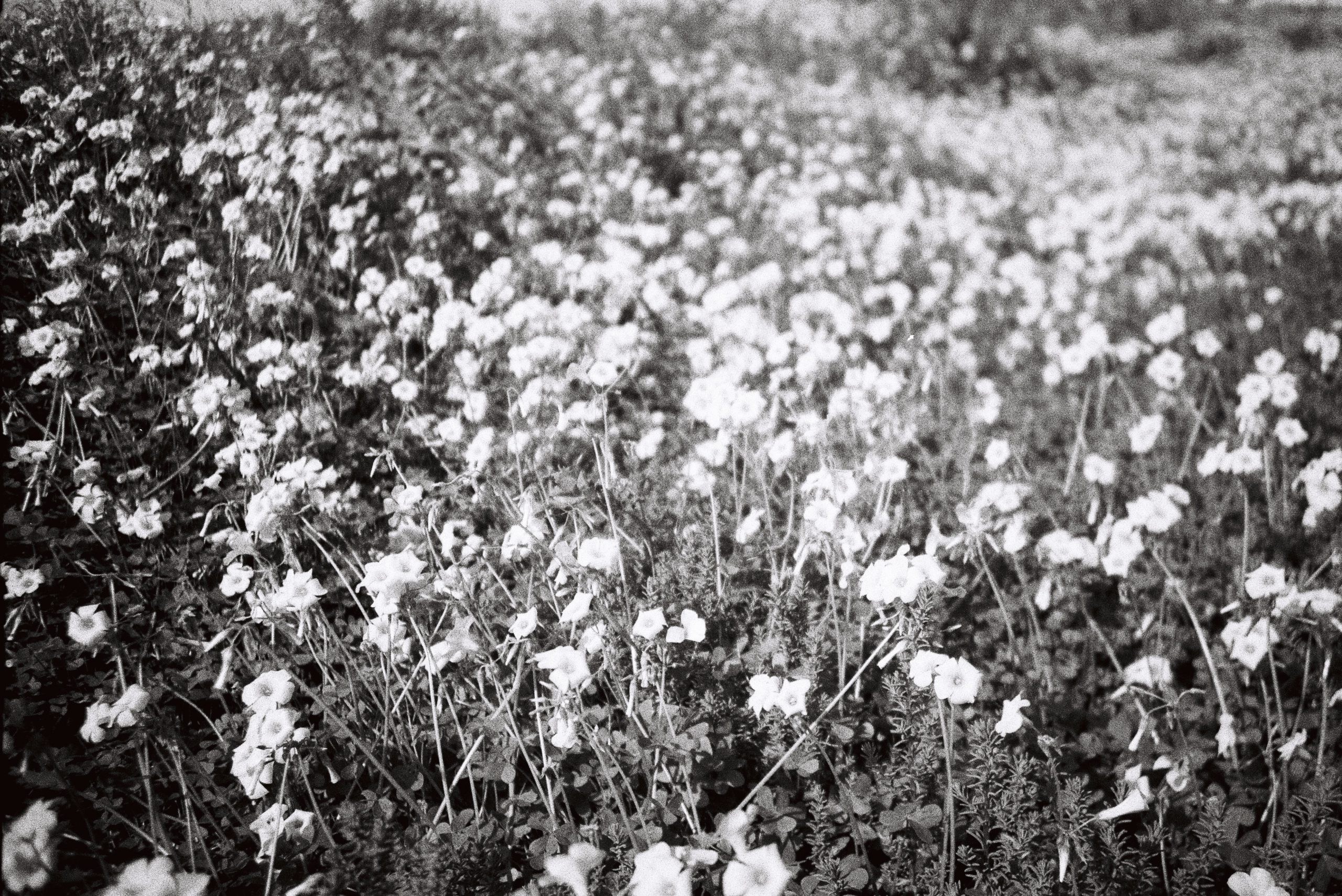
blurry blooms.
– it’s been a week of medical scares, one with the boy’s father (he tripped and hit his nose on a chair, blood everywhere), and one back here at home, with one of our friends having some acute pain that seemed a lot like appendicitis, but turned out to be a urinary tract infection… they’re both ok, thank goodness!
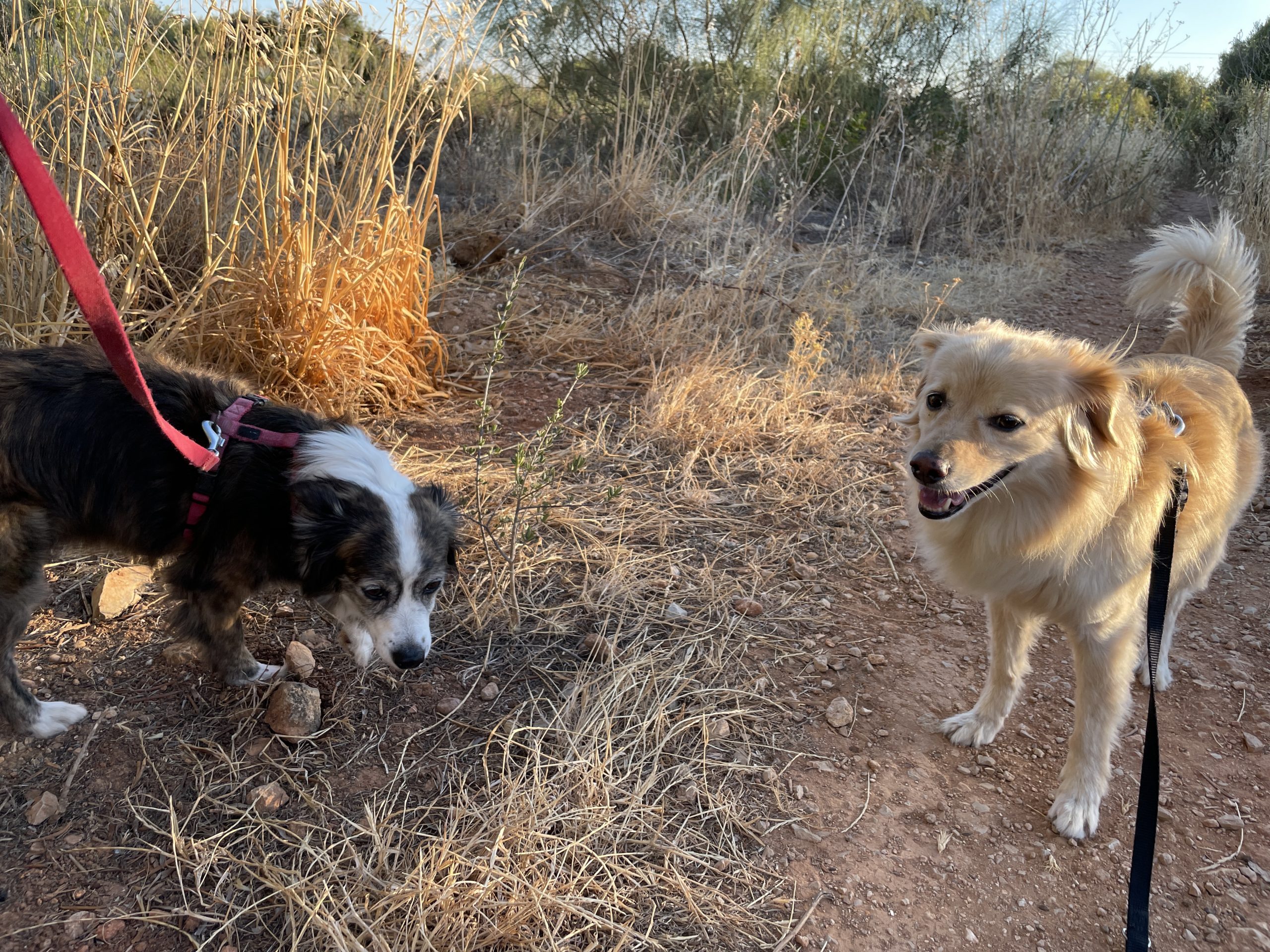
– by midweek, we wrapped things up in the north and drove south. after that, it’s been just catching up with our friends, petting and cuddling their dogs, playing boardgames and eating good food. the weather is still warm, but not as oppressively hot as in july, which is perfect.
– i’ve finished the anthropocene reviewed, by john green. i knew a lot of the essays already from the podcast, but it was still nice to read them in book form. i’m surprised the one about the st. peterburg’s seed potatoes didn’t make the cut — it’s the one i have the strongest memories about. next up: blockchain chicken farm by xiaowei wang, a book about high tech in rural china.
– now that the house is ours, we’re looking into installing some heating, likely in the form of a fireplace insert with ventilation. i hope it works, and that this winter will be a bit more bearable, temperature-wise. ideally, we’d be exploring taiwan by then… but i don’t think that’s going to pan out, judging by how things are going pandemic-wise. :( something for another time!
Categories
graded & grided readers
graded readers are books that are “easier reading”, written for a certain level of language proficiency. often, they use simpler language, or only have a certain number of words or characters in them. they’re great for when you want to read a book in the language you’re learning, but you can’t quite manage all kinds of literature yet… so you want something that matches your level. in chinese, graded readers are usually sorted by HSK level, or number of characters one has learned.
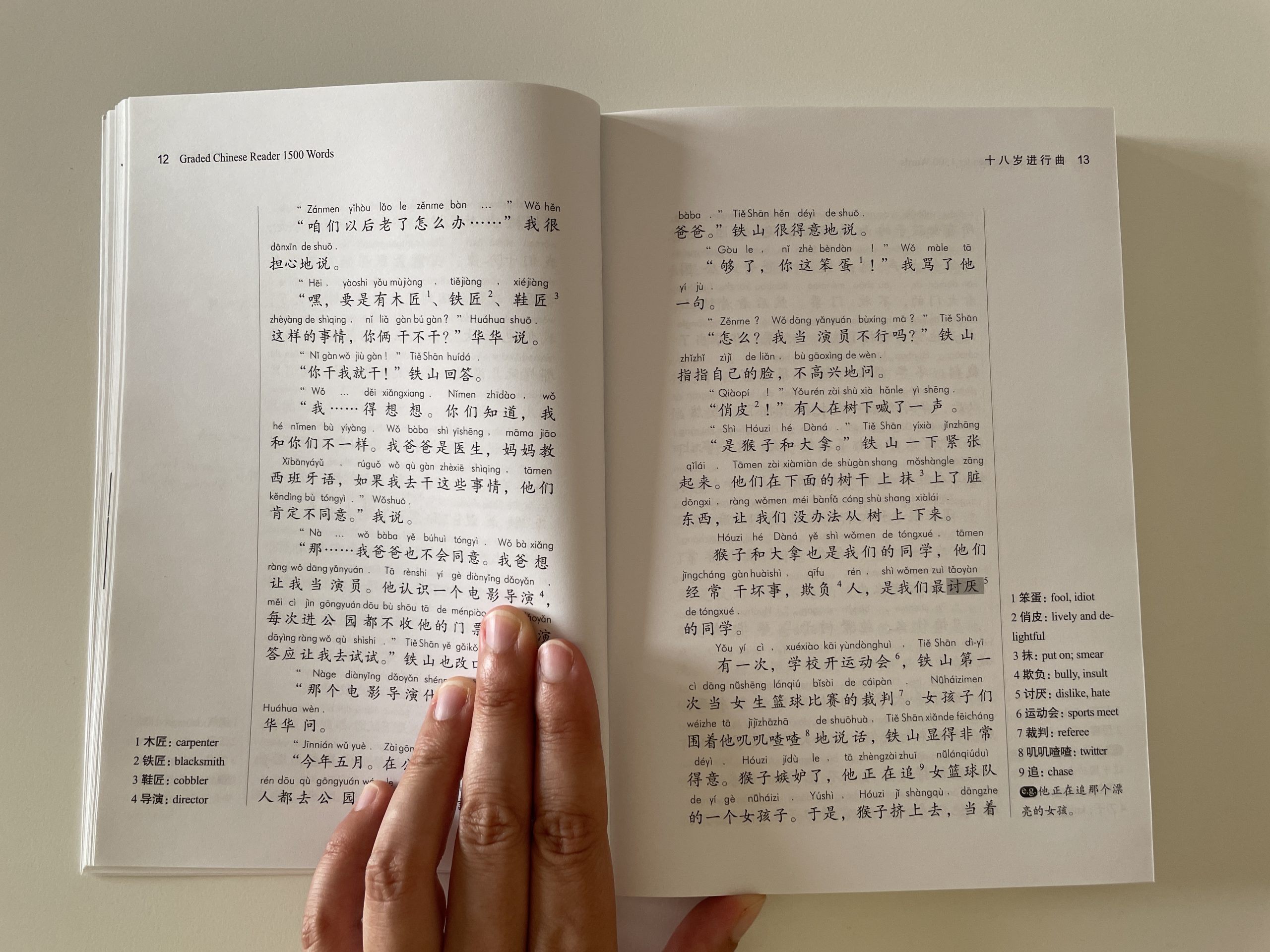
the chinese ones will sometimes have both the chinese characters and the pinyin transliteration in the page, so that it’s easier to read. the issue with this is that our western eyes immediately float to the latin characters we’re familiar with, making the exercise a bit pointless.
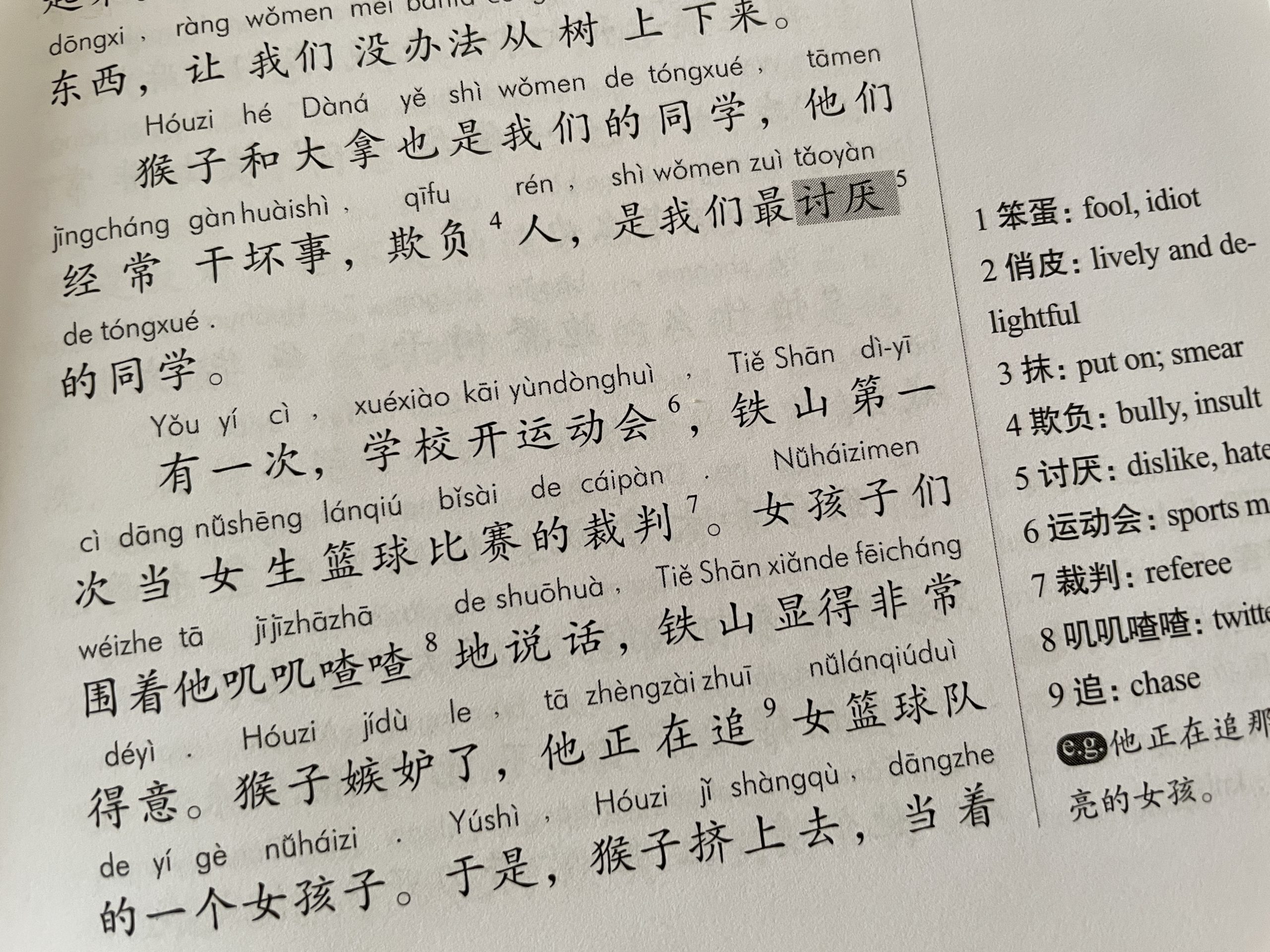
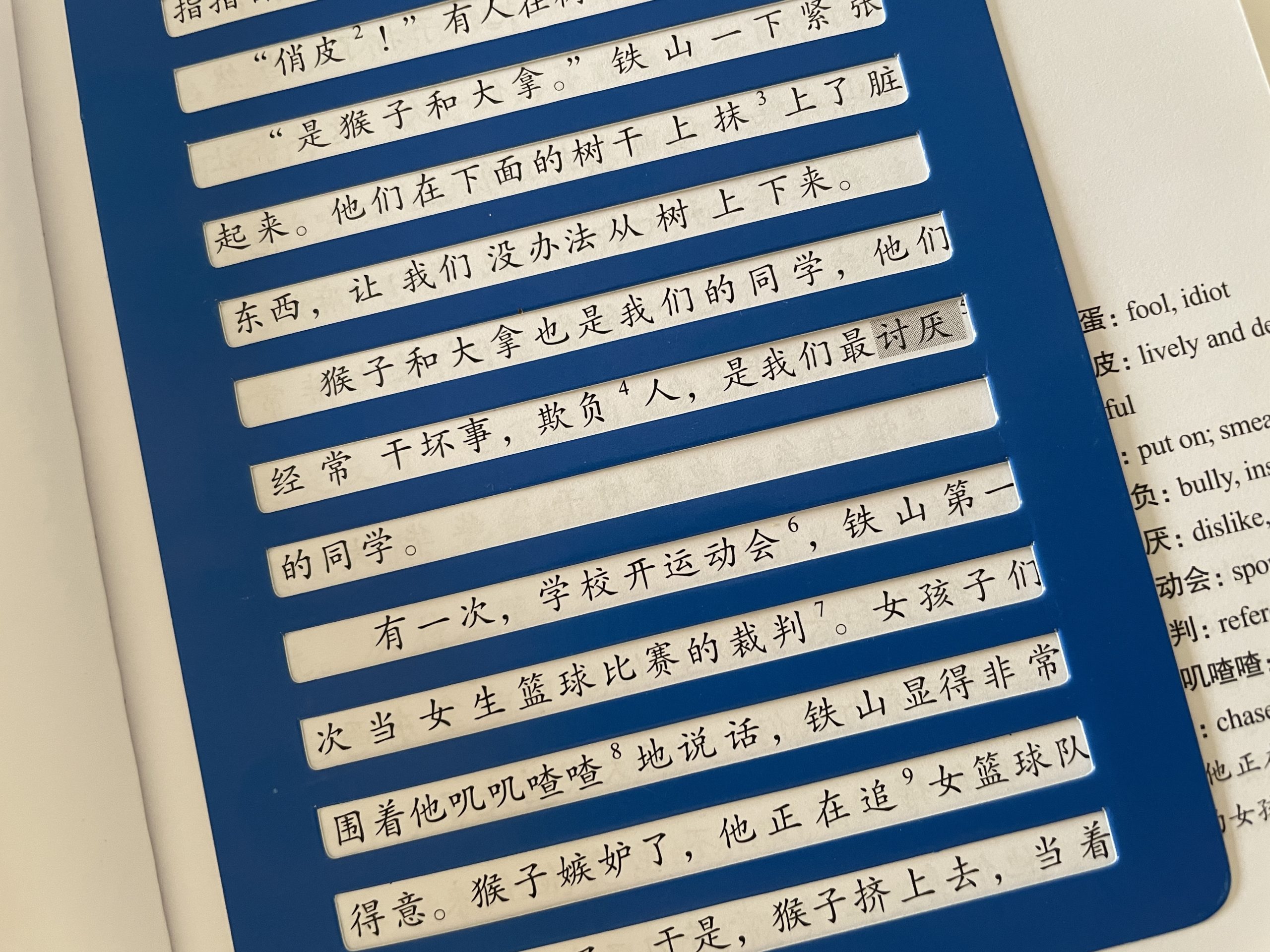
and this is where the magic grid comes in! :) you apply it over the text, and it hides the pinyin lines, so that you’re left just with the characters themselves. i didn’t know what it was for when i first noticed it tucked into the back cover, but it’s such a simple and elegant solution — i love it!
Categories
analogue wednesday #267


our southern shores.